


Varicose veins of the lower limbs are a chronic systemic disease that occur against the background of dysfunction of the valves that control blood flow.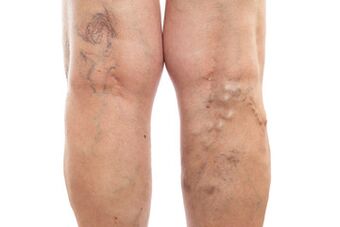 This causes excess fluid to build up in the blood vessels, which gradually stretch and lose elasticity and strength.Varicose veins are characterized by the formation of large nodules under the skin of the legs, but this is not the only symptom of the disease.Patients complain of leg pain and heaviness, burning and itching, dryness and skin irritation.In advanced cases, non-healing purulent ulcers form on the skin, which are difficult to cure due to the irreversible necrotic process that occurs in them.In order for the treatment of varicose veins in the legs to be effective and help prevent recurrence, it is first necessary to find out its cause.
Causes of varicose veins in legs
The tendency to develop this severe vascular disease is often hereditary, and in most cases this pathology is inherited by women.Therefore, girls and women are at risk if there are cases of varicose veins in the family.
Other common causes of the disease:
- Malnutrition.The risk of developing varicose veins in the lower limbs increases significantly if the diet is dominated by high-fat, heavy-flavored foods rich in animal fats.
- Vigorous physical activity.Certain types of jobs, such as cooks, waiters, surgeons, office workers, hairdressers, create conditions for a gradual increase in venous pressure.When constantly stressed, blood vessels and valves become deformed; due to sustained high pressure, vein walls become thinner and more brittle, forming varicose veins.
- Wearing uncomfortable high heels.Such shoes reduce the amount of muscle contraction and compress blood vessels, leading to impaired blood flow and the development of varicose veins.
- Sedentary lifestyle.Without at least minimal load on the muscles, blood begins to stagnate in the venous bed because the vein walls do not contract on their own.Gradually, the blood vessels stretch, the function of the valves is destroyed, varicose veins thicken and nodules form.
- Being overweight.The more weight a person weighs, the greater the load on the lower limbs and, accordingly, the greater the load on the blood vessels.In addition, obese people exercise very little and mostly eat poorly, which doubles the risk of varicose veins in the legs.
- Pregnant.As the fetus grows, the amount of blood in the expectant mother's body increases, which puts additional pressure on the veins.Additionally, the growing uterus and fetus can compress the pelvic blood vessels, preventing normal venous outflow.During pregnancy, the body produces excessive amounts of the hormone progesterone, which relaxes blood vessel walls and promotes the development of varicose veins.In most cases, varicose veins during pregnancy are reversible, so after delivery, a woman can get rid of the problem completely.
- age.As the body ages, vein walls and valves no longer perform their full function and become fragile.There is a loss of elasticity and strength, causing the blood vessels to stretch.
The mechanism of varicose veins of lower limbs
The formation of varicose veins in the lower limbs has a complex mechanism:
- In the initial stages, slowing of venous blood flow occurs due to genetic predisposition and predisposing exogenous and endogenous factors.The process of prolonged stasis leads to an inflammatory process in the walls and valves of the veins.
- When the valves become incompetent and the walls of the veins become weak, blood begins to flow through the veins in both directions.This causes increased pressure in the veins, which in turn causes the blood vessel walls to overstretch and deform.
- Further stagnation of the blood and progression of the inflammatory process lead to the spread of pathology, the development of ischemia and the formation of trophic ulcers.
The function of the affected vein is gradually impaired.Varicose veins cause stagnation of blood in the vessels, leading to local toxic lesions and increased pressure.In the later stages, the blood vessels can no longer withstand the excessive pressure, causing them to rupture, resulting in heavy bleeding.
symptom
The disease is insidious because in its earliest stages it is virtually asymptomatic.The first sign of varicose veins is leg fatigue, which is often ignored by patients and does not become a reason to seek expert advice.However, as the condition progresses, feelings of leg fatigue become more frequent, especially in the evening after a long day at work.Other symptoms of vascular disease:
- Pain, squeezing feeling.These signs begin to appear in the second stage, when the pathological process begins to progress.The pain occurs mainly in the evening after a day's work and disappears in the morning.If a person ignores discomfort and does not treat it, the pain syndrome can become chronic and constantly worrying.
- Swelling of the network of veins and blood vessels.At first, the affected veins are firmer than usual, but later they begin to bulge, bulge, and form nodules.The network of blood vessels is most commonly located in the thighs and calves.
- cramp.A classic symptom of varicose veins, the cause is stagnation of blood in the veins.The stalled process causes an increase in pressure in the blood vessels, causing the muscles to begin to contract spontaneously.
In addition, vascular disease is accompanied by significant external changes.As ischemia progresses, the patient complains of persistent itching.Overstretching and narrowing of veins can lead to the formation of hematomas and bruises.In advanced stages, when the atrophic process develops, the following external symptoms appear:
- red spots on the skin;
- peeling;
- Formation of dark pigmented spots;
- Hair disappears.
If a patient develops trophic ulcers, accompanied by blackening of the limbs, this indicates that an irreversible necrotic process is progressing.
Complications of varicose veins in the legs
If varicose veins are left untreated, serious complications can develop as the condition progresses, such as:
- Venous thrombosis.When this complication occurs, the pathological process affects the deep veins.This pathology is accompanied by the obstruction of blood vessels by blood clots (thrombi).The main cause of venous thrombosis is slowed blood flow in the lower extremities.
- Pulmonary embolism.The blood clot breaks away from the blood vessel wall and travels with the blood flow into the pulmonary artery, blocking its lumen.If the clot is large, death will occur immediately.Smaller clots do not cause death but can cause complex respiratory and circulatory disturbances.
- Thrombophlebitis.It is characterized by inflammation of superficial blood vessel walls, accompanied by the formation of blood clots.The disease manifests itself as congestion, swelling along inflamed and blocked veins, and varying degrees of pain.Acute thrombophlebitis is accompanied by fever and chills, which complement the above symptoms.
- Nutritional ulcer.The inevitable complications of untreated varicose veins in the lower extremities occur without prompt treatment.The destruction of tissue nutrition and the progression of the inflammatory process lead to compaction of the subcutaneous tissue, thinning, darkening of the skin, and subsequent formation of non-healing trophic ulcers.
- Varicose eczema.Symptoms include localized redness, peeling, and unbearable itching of the skin.Without treatment, complications can spread quickly and worsen the patient's condition.
- Varicose bleeding.Dangerous complications that arise in the context of varicose node rupture.
Mechanical injury may cause bleeding because the walls of the affected veins are very fragile and thin.Therefore, even slight friction can lead to severe venous bleeding.
Diagnosis of varicose veins of lower limbs
If you are experiencing symptoms of varicose veins in your lower extremities, you must schedule an appointment with a phlebologist to diagnose, treat, and prevent these vascular lesions.
Doctors can make a preliminary diagnosis during a preliminary examination. During the examination, they will find a dense blood vessel network in the limbs, venous swelling and venous nodules that protrude from the skin surface.To confirm the diagnosis, referral for additional testing may include the following procedures:
- Doppler ultrasound;
- Ultrasound dual vascular scan;
- Radionuclide and radiopaque venous scintigraphy;
- Venous manometry;
- plethysmography;
- Photoplethysmography.
Treatment of varicose veins in legs
If the disease is diagnosed at the earliest stage and there are no serious complications, conservative treatment is performed, the main goals of which are:
- Eliminate stalled processes;
- normalizes venous pressure;
- Restore blood circulation;
- Eliminate pathological symptoms.
For this purpose, the following groups of drugs are used:
- Venotensology and venous toneology.Helps improve blood vessel health, normalizes blood circulation, and improves lymph flow.
- Anticoagulants.Used to reduce blood viscosity and prevent blood clots.
- NSAIDs.They have significant anti-inflammatory effects and relieve pain.
- Antiplatelet agents.Reduces the risk of thrombosis and improves tissue nutrition.
If medical treatment fails and the disease progresses, doctors will discuss surgical treatment options with the patient.Surgical methods to treat varicose veins include:
- Sclerotherapy.A sclerosing drug is introduced into the lumen of the affected vein, which glues the blood vessels together, only to break down on its own and be replaced by connective tissue.
- Laser coagulation.Indicated when the diameter of the affected vein does not exceed 10 mm.The laser beam creates a hardening effect in the blood vessels, which resolves on its own.
- Phlebectomy.A surgical procedure in which the surgeon removes areas of deformed blood vessels, performing all necessary operations through microscopic punctures in the skin.
Contraindications
For varicose veins in the legs, it is forbidden to perform any actions that cause stagnation of blood vessels in the lower limbs:
- Remaining in a still position for long periods of time;
- Strenuous physical activity, weight lifting;
- Sitting with legs crossed or crossed;
- Wear tight, uncomfortable shoes.
It is also necessary to quit bad habits such as smoking and drinking.Tobacco smoke and alcohol can negatively affect the health of the entire body, making veins brittle, thin, and inelastic, which can quickly lead to the development of varicose veins and other cardiovascular diseases.
The cost of treating varicose veins in the lower limbs
The cost of treating varicose veins in the legs is affected by the following factors:
- The stage at which the disease is diagnosed;
- related complications;
- Individual choice of treatment method - conservative or surgical;
- Additional treatment techniques such as physical therapy are required.